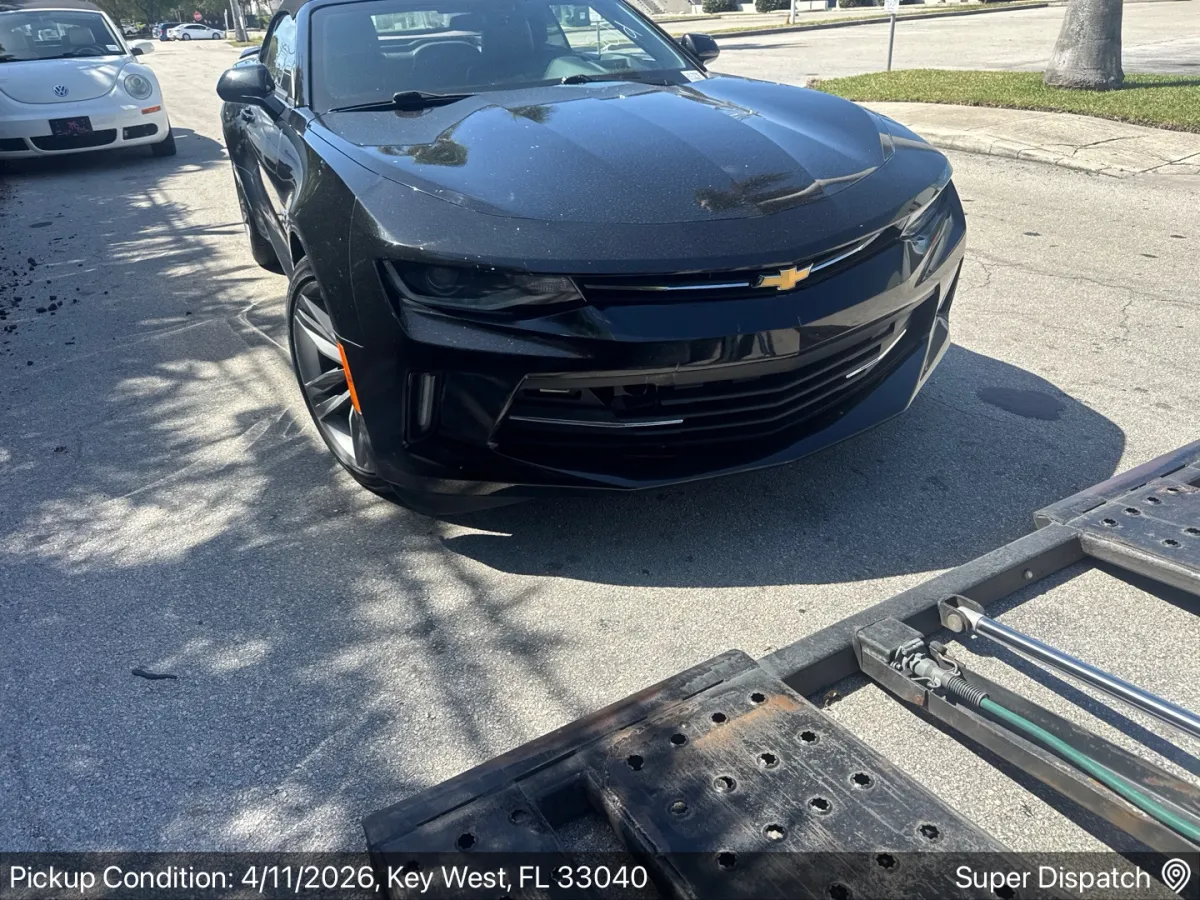
The Chicago–Miami corridor is one of the most traveled auto transport routes in the United States, driven primarily by seasonal migration, corporate relocations, and snowbird moves every fall and spring.
Distance and Transit Time
The route covers approximately 1,380 miles. Standard open-carrier transit time is 3–5 days. Enclosed carriers on this route typically run 4–6 days due to fewer vehicles per load and more deliberate routing.
Seasonal Demand Patterns
October–December: Northbound to southbound volume spikes as snowbirds head to Florida for winter. Rates rise 10–20% during peak weeks. Book 2–3 weeks in advance.
March–May: Southbound to northbound flow reverses. Miami pickups are heavily booked through Easter. Flexible pickup windows help lock in better rates.
Summer: Mid-range demand. Good availability and typically the best pricing on this route.
Primary Routes
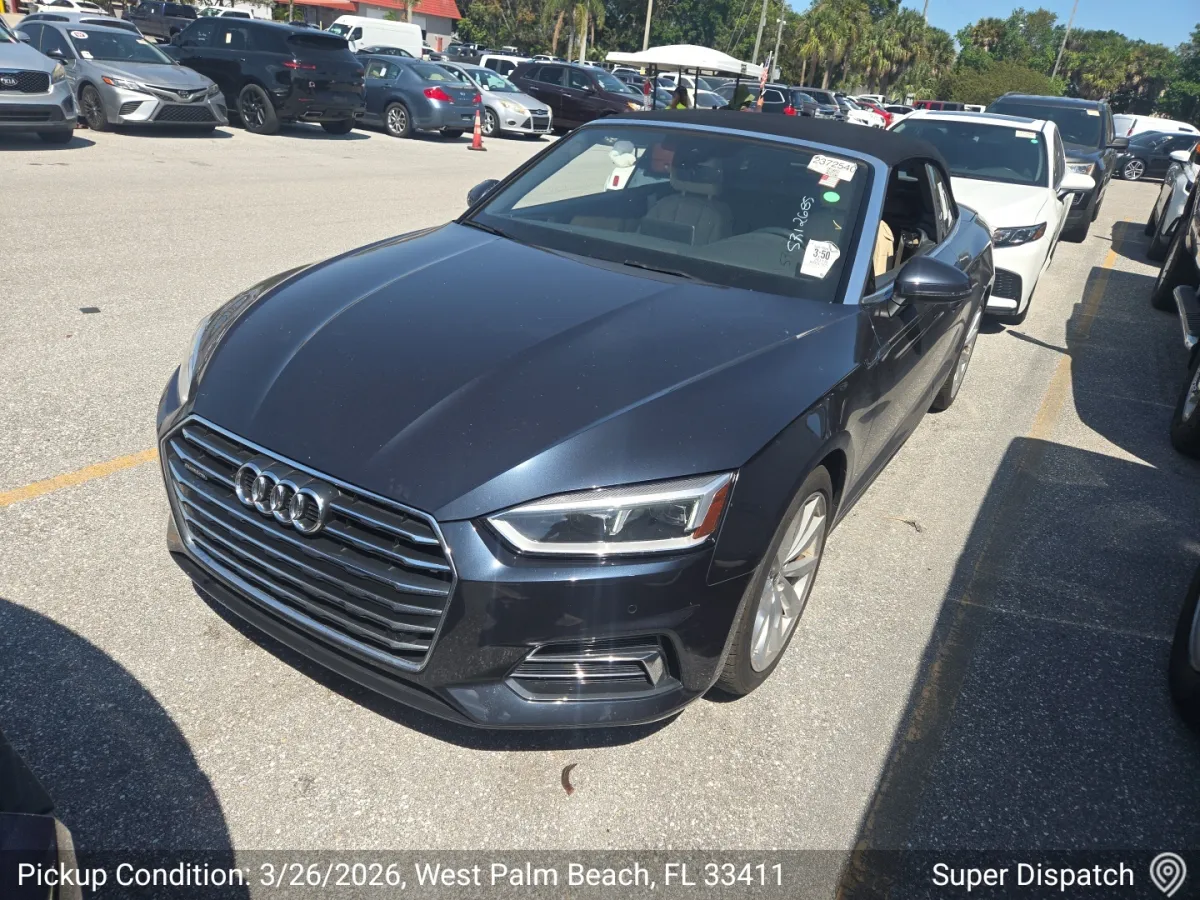
Most carriers run I-65 South through Indianapolis and Nashville, then I-75 through Atlanta and into Florida. The Atlanta interchange is a key hub — vehicles moving to the western Florida coast (Naples, Fort Myers) often stage there.
Chicago-Specific Pickup Notes
Residential pickups in the Chicago metro are generally straightforward. However, high-rise condo drop-offs may require a transfer to a nearby parking lot if the carrier truck can't access the building. Always confirm with the driver a day before pickup.
Miami-Specific Delivery Notes
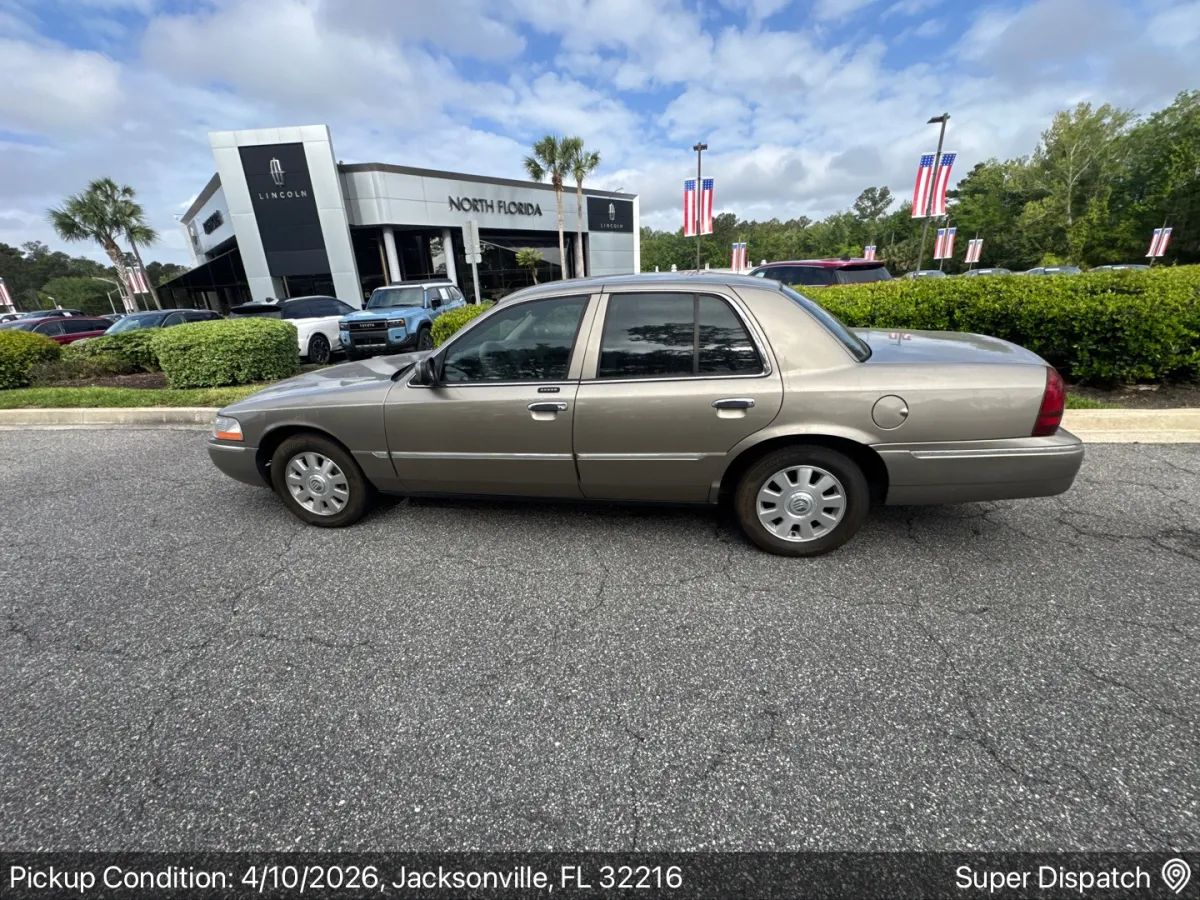
Miami's density and traffic make terminal delivery a common option for cost-conscious shippers. Door-to-door is available but adds 1–2 days in scheduling. The Hialeah and Doral areas are common delivery staging points for the northern suburbs.