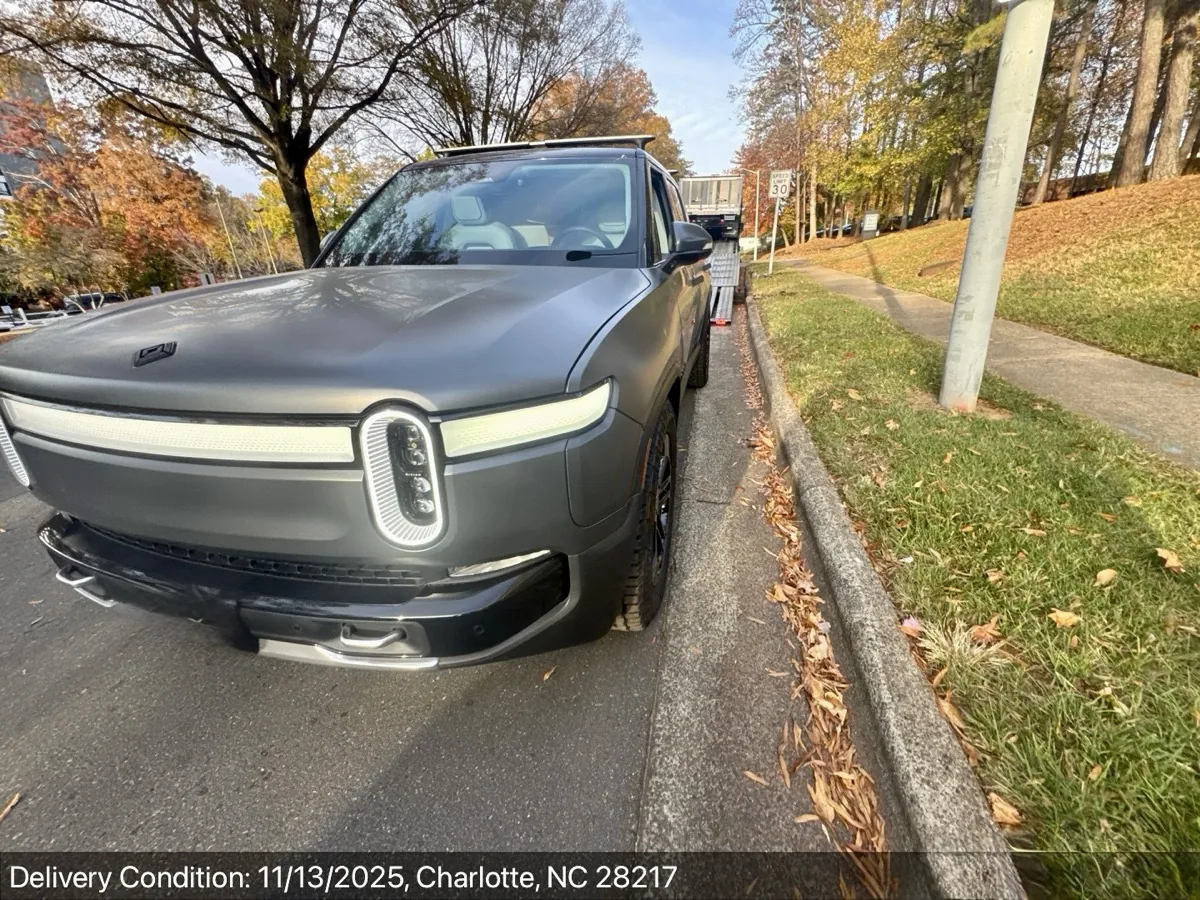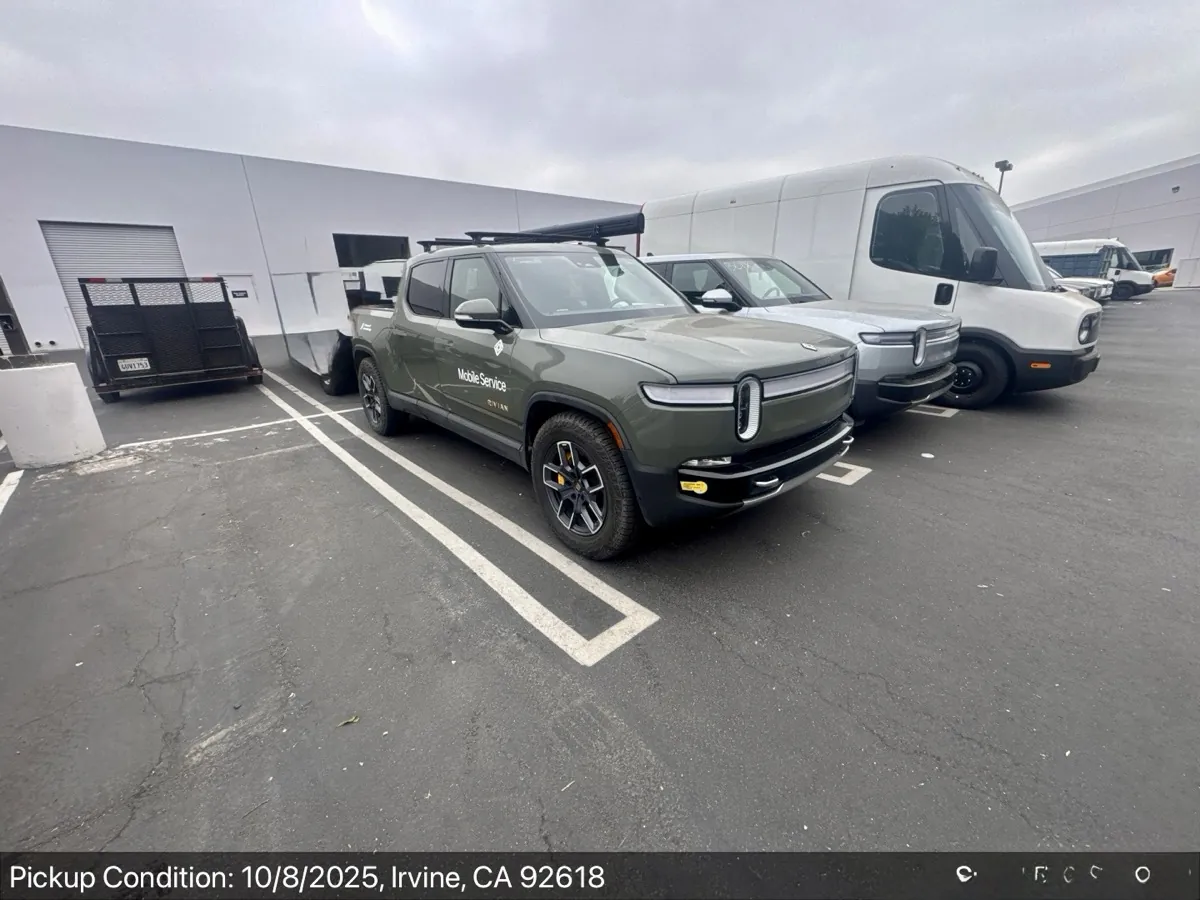
Electric vehicles now account for a significant share of all auto transport shipments, led by Tesla but growing across Rivian, Lucid, BMW iX, and others. Most of the process is identical to shipping a gas vehicle — but a few things are worth knowing before you book.
Charge Level
Carriers typically ask that EVs be delivered with 30–50% charge. Enough to start, drive onto the trailer, and be driven off at delivery. A full charge isn't necessary — and some carriers with enclosed trailers prefer a lower charge for safety spacing during loading.
Frunk and Liftgate Clearance
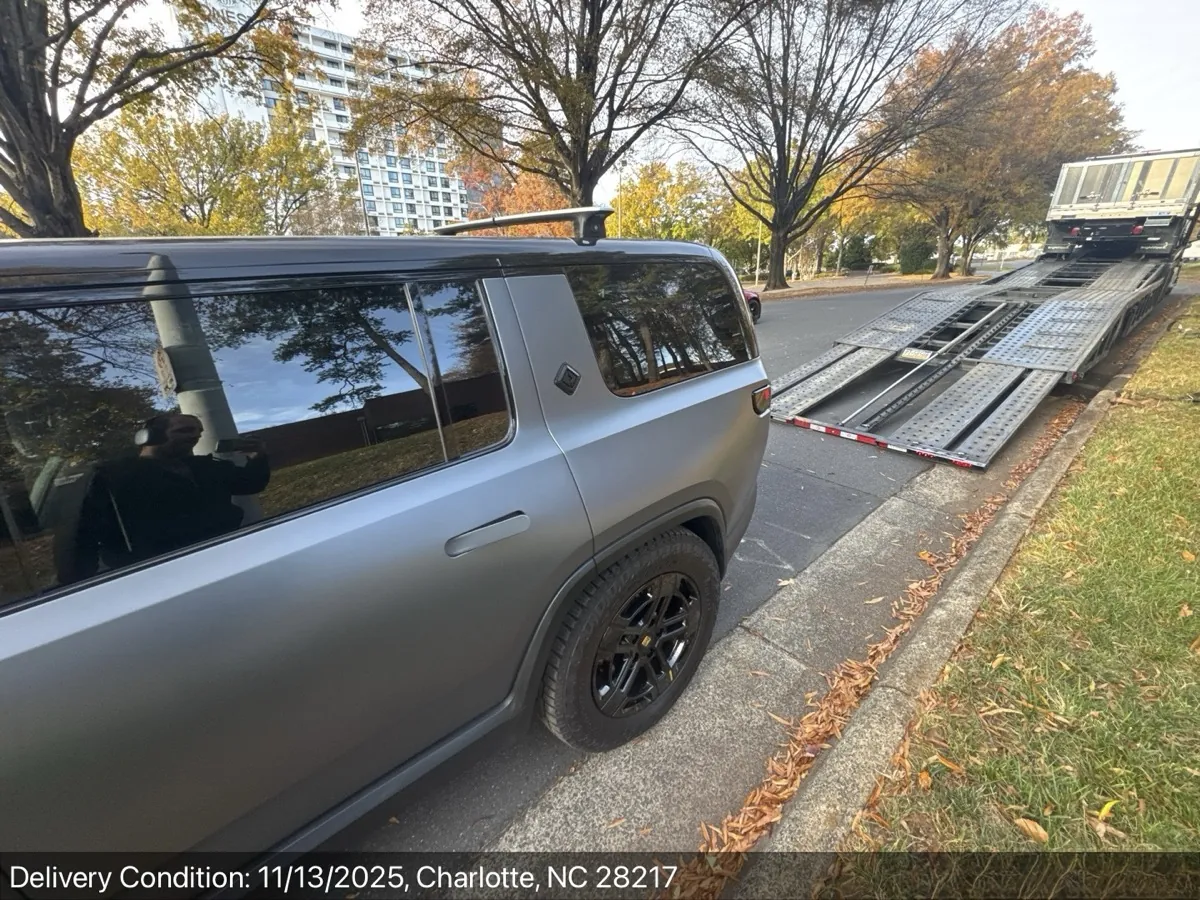
Open-carrier loading requires low-clearance maneuvering. Tesla Model S and Model X owners should disable air suspension "jack mode" for loading and confirm the driver knows the procedure. Hummer EV's height and weight require specific carrier selection — not all open trailers can accommodate it.
Weight Considerations
EVs are heavy. A Tesla Model S weighs 4,900 lbs — significantly more than a comparable gas sedan. This affects carrier load balancing. You may occasionally see a slight surcharge for heavy EVs on certain routes, particularly with enclosed service.
Transport App Notifications
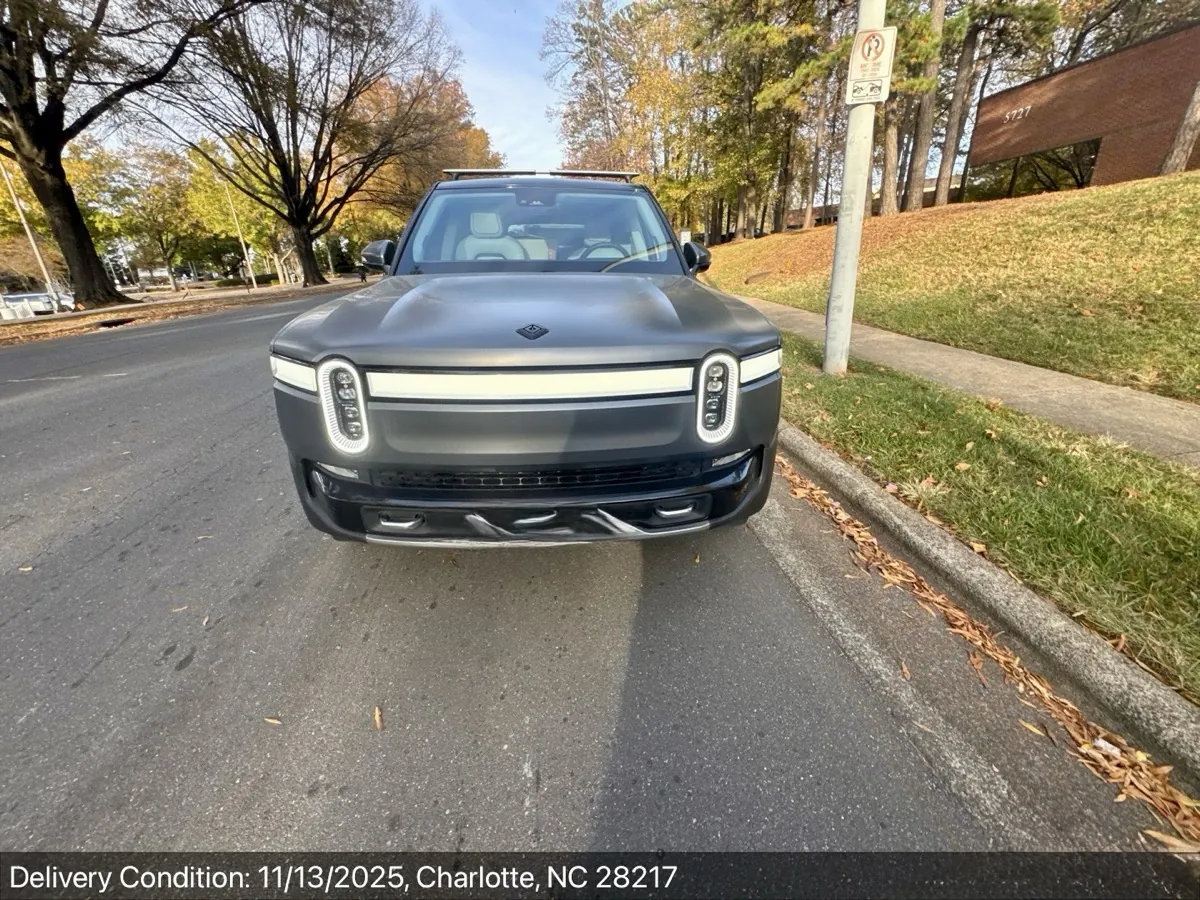
Tesla owners: disable scheduled charging and climate pre-conditioning before shipping. Your car may still send location pings during transit, which is normal. The car isn't being driven — it's just connected to cell service.
Enclosed vs. Open for EVs
Open transport is perfectly fine for a Tesla Model 3 or Model Y. Many owners choose enclosed for Model S Plaid or Rivian R1T due to the vehicle value. The choice mirrors the same logic as any other vehicle — open for everyday value, enclosed for high-value or sentimental vehicles.