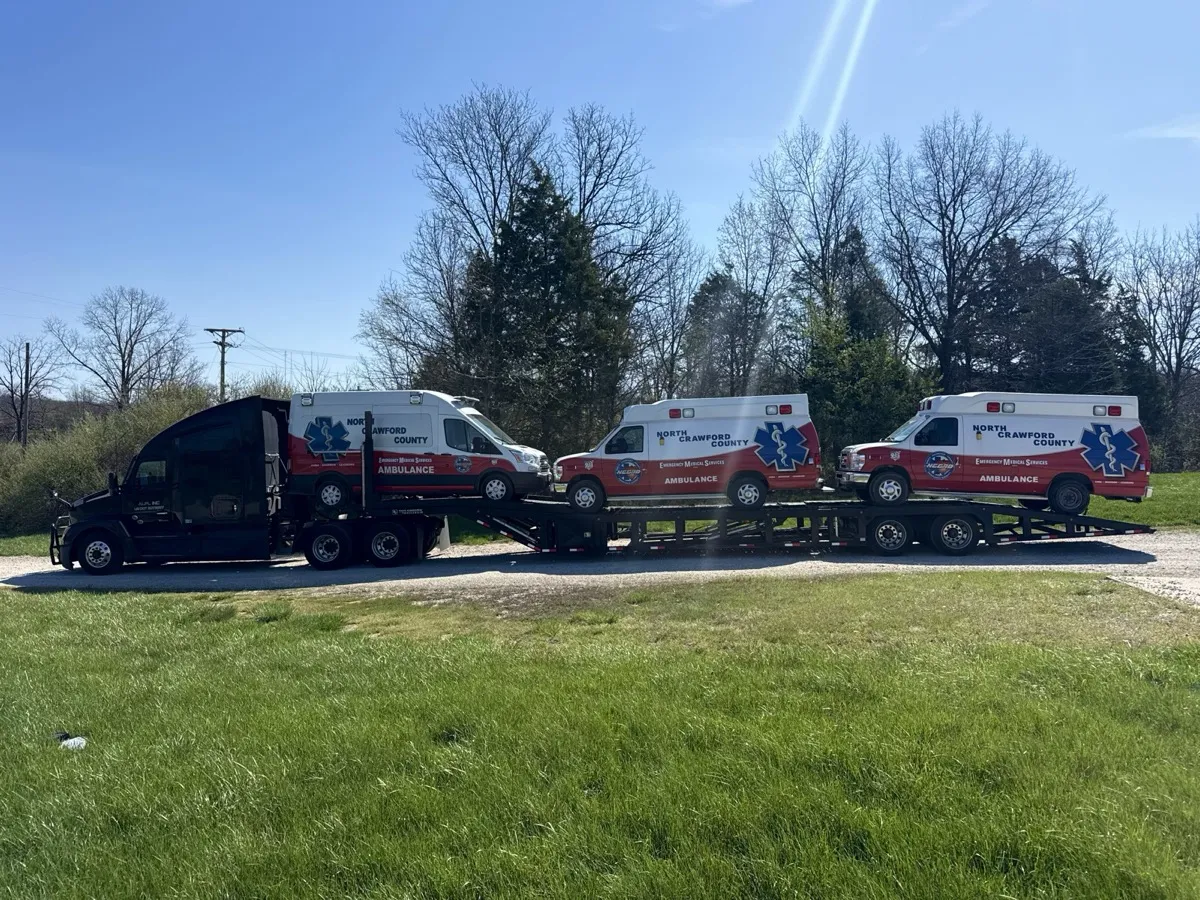
Sprinter vans and high-roof cargo vans are among the most popular vehicles being shipped cross-country right now — driven by the van life movement, remote work conversions, and small businesses relocating their fleet. But these vehicles can't just be loaded on a standard open carrier without planning. Here's what you need to know.
Why Sprinter Vans Are Different to Ship
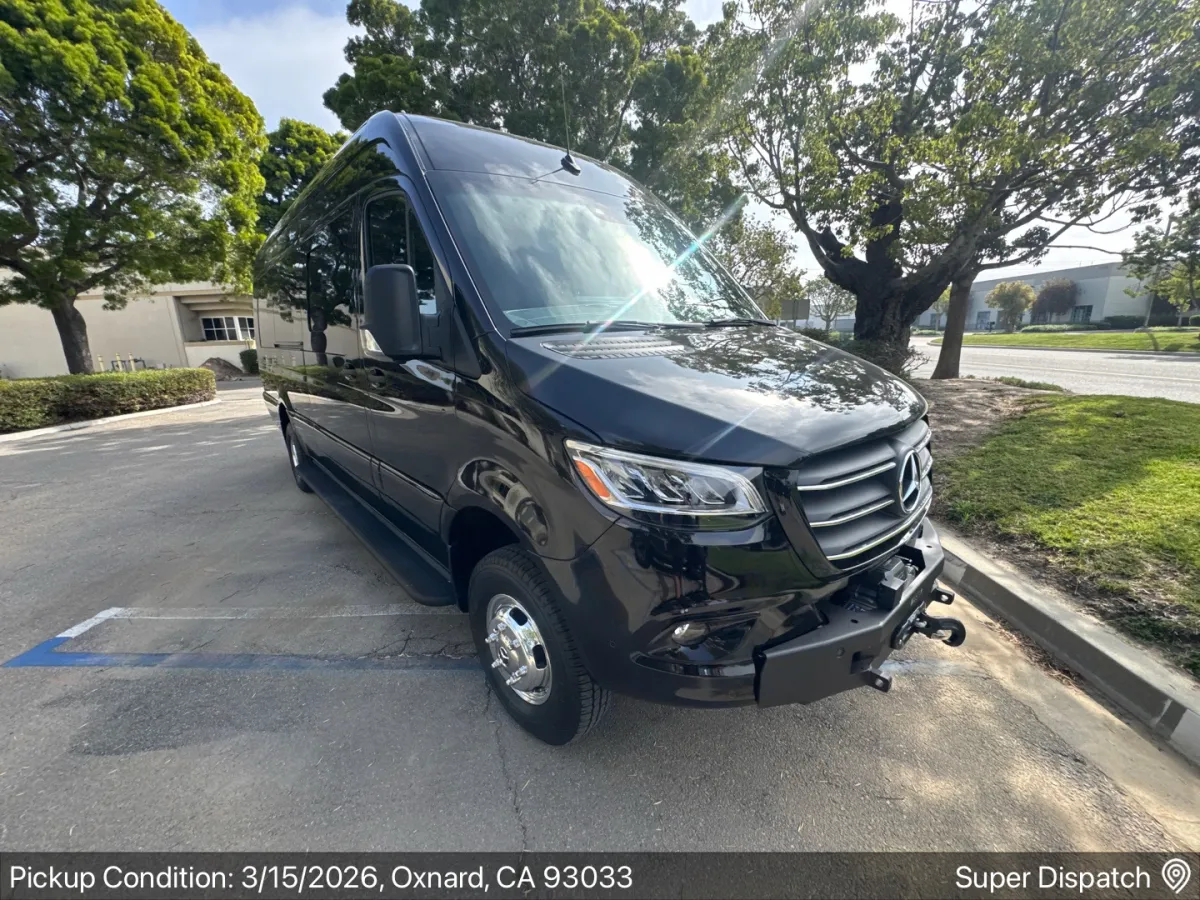
A standard Mercedes-Benz Sprinter 2500 high-roof stands about 9 feet 4 inches tall. Most standard open double-decker carriers have an upper deck clearance of 7–8 feet. That means your Sprinter physically cannot fit on the upper deck of a standard open carrier — it must be placed on the lower deck, or more commonly, shipped on a single-deck flatbed-style carrier or enclosed trailer.
Carrier Types for High-Roof Vans
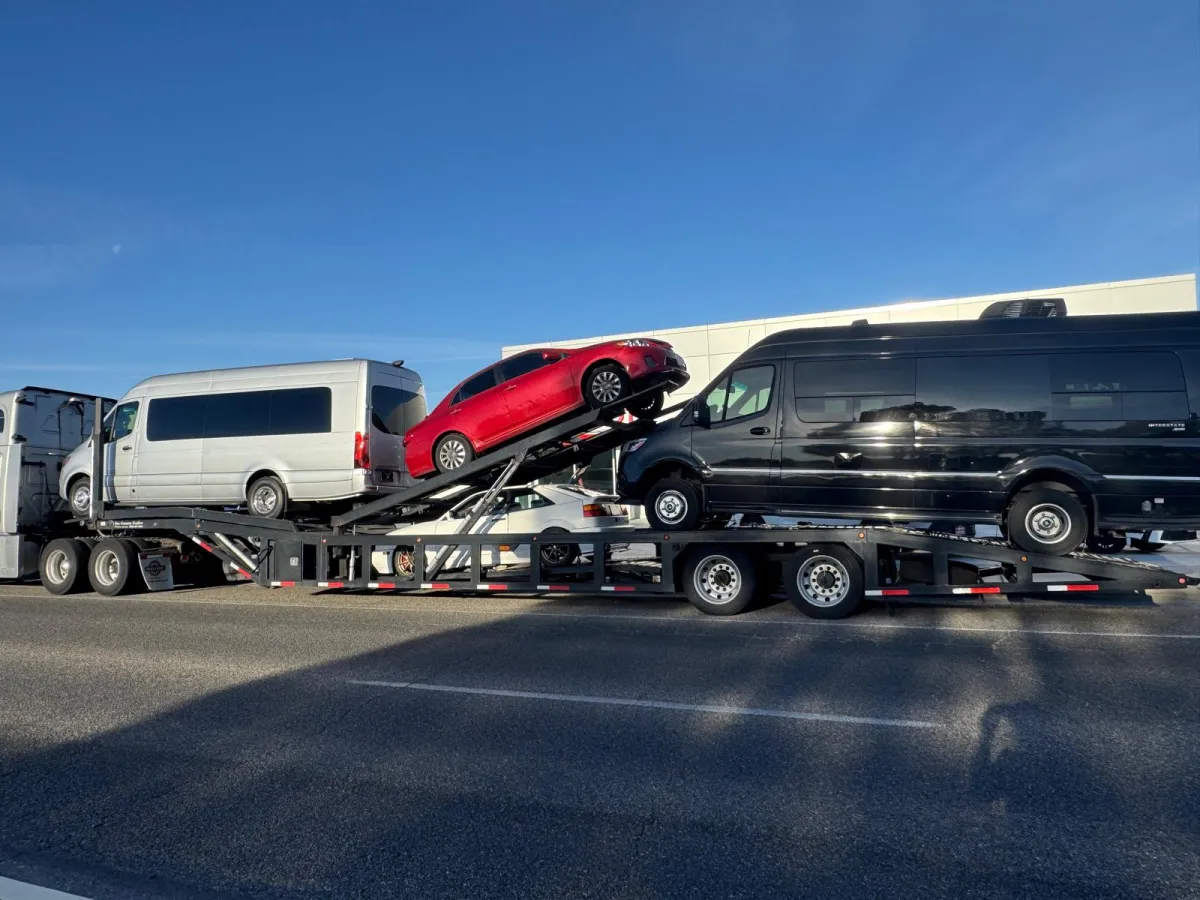
Single-deck open carriers: The most common option for high-roof Sprinters. These trucks haul 3–5 vehicles and can accommodate vehicles up to 9.5 feet tall. They're widely available on major corridors like LA–New York, Chicago–Miami, and Seattle–Dallas.
Enclosed trailers: Ideal for fully converted camper vans, high-value builds, and off-road conversions. Enclosed transport fully protects your build from weather, road debris, and UV exposure during transit — especially important for pop-top roofs and exterior equipment.
What won't work: Standard double-decker open carriers used for sedans and standard-height SUVs. Always confirm your van's exact height (roof-mounted gear adds to this) with the carrier before booking.
Measuring Your Van Before You Book
Get the exact height of your vehicle, including any roof additions: solar panels, roof racks, bike mounts, or pop-top roofs. A standard Sprinter high-roof is 9'4". A Sprinter with a 2-inch roof rack is 9'6". Provide this number upfront — carriers will quote accordingly and avoid mismatches on pickup day.
Extended Wheelbase Considerations
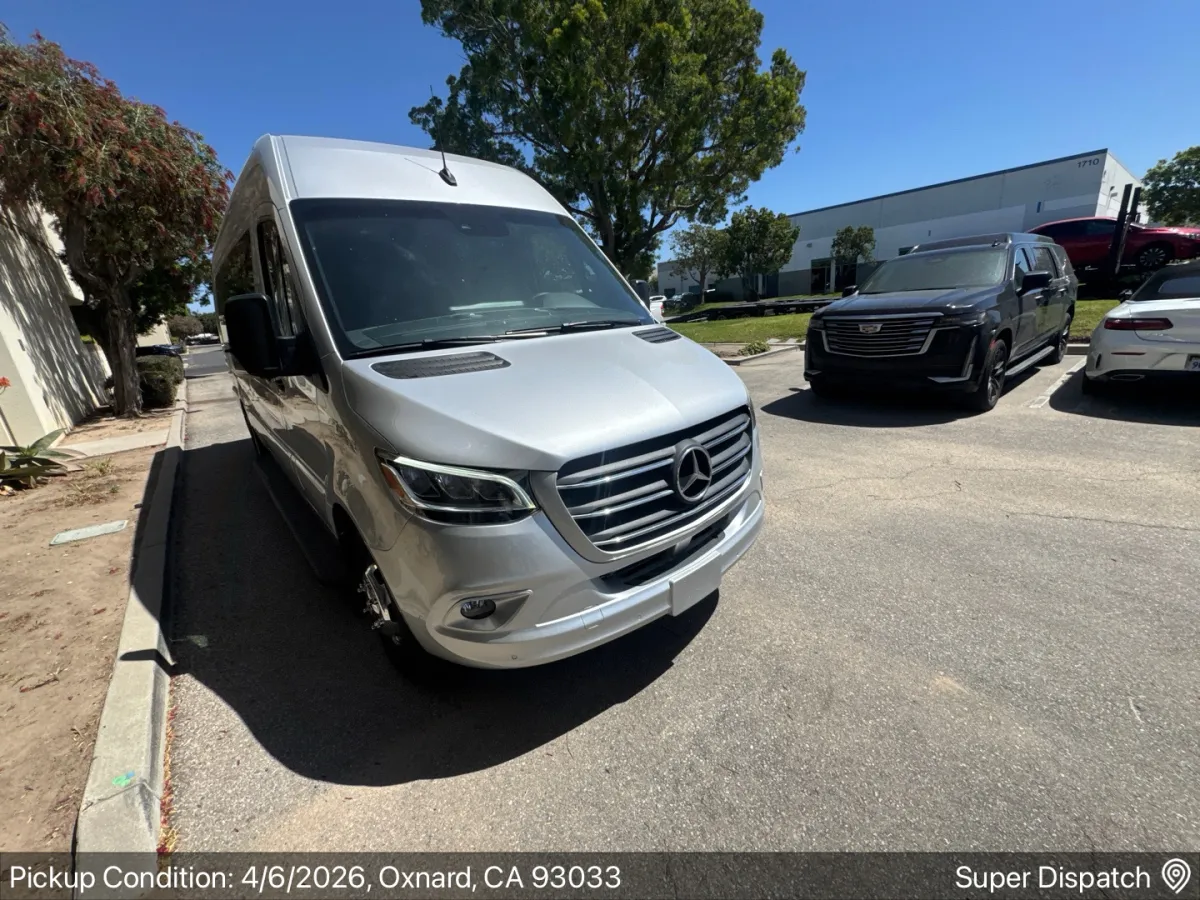
An extended-wheelbase (170" WB) Sprinter is over 20 feet long. This limits placement flexibility on multi-vehicle carriers. You may see a small surcharge ($75–$150) for EWB vans compared to standard-wheelbase models. Again, provide the wheelbase spec when quoting.
Camper Van Conversions: Special Prep
If your Sprinter is a converted camper van, additional prep steps apply before shipping:
- Remove or secure all loose items inside the living area — dishes, tools, camp gear, clothing
- Drain and close your water system (tank water adds weight and can leak)
- Secure solar charge controllers, inverters, and loose electrical connections
- Photograph the interior and all installed equipment before handoff
- If you have a pop-top, ensure it's fully latched and won't open under vibration
What Does It Cost to Ship a Sprinter Van?
On a coast-to-coast route (LA to New York), expect to pay $1,200–$1,800 for open single-deck service on a standard high-roof Sprinter. Enclosed shipping runs $1,800–$2,600 for the same corridor. Regional routes (500–1,000 miles) typically range from $650–$1,100 depending on carrier availability.
These rates are 20–35% higher than shipping a standard sedan on the same route — that surcharge accounts for the specialized carrier requirement and the reduced number of vehicles that can fit per load.
Popular Routes for Sprinter Shipping
The most frequently shipped van corridors align with van life culture hubs and business relocation patterns: California to the Pacific Northwest, Colorado to the Southeast, Texas to the Northeast, and Florida to the Midwest in spring. These routes have good carrier coverage — rural routes with less volume may require 3–5 extra days for carrier matching.
Booking Timeline
Because high-roof van carriers are a subset of the overall carrier pool, we recommend booking 7–14 days in advance for major corridors. Last-minute bookings (within 48 hours) are possible but may carry a premium of $150–$300. Flexible 3–5 day pickup windows consistently produce the best rates.