A classic car isn't a commodity. It's a survivor — decades of originality, or years of a restoration, riding on four narrow tires. So shipping one raises questions a daily-driver move never does: open trailer or enclosed? What happens if it doesn't run, or barely does? How do you tie down a car with mechanical brakes and a wood-framed body without hurting it? This guide answers all of that, with real numbers, and shows two classics we moved this month to make it concrete.
What it costs to ship a classic car
Classic car shipping is priced on the same fundamentals as any vehicle — distance, route, vehicle size, and season — plus a few that matter more for collector cars. As a working baseline for a running classic:
- Open transport: roughly the same as a standard car, sometimes 10–25% more when the carrier has to soft-tie or wheel-strap instead of chaining an axle. Think $600–$1,000 for a mid-range regional move, $1,000–$1,600 coast to coast for a sedan-sized car.
- Enclosed transport: typically 40–60% more than open, occasionally higher for a single-car load, a hard-side trailer, or a liftgate. That premium buys a covered trailer, fewer cars per load, and a driver who specializes in high-value vehicles.
- Non-running surcharge: commonly $150–$500 on top, depending on how much the car cooperates at loading (more on that below).
Two things push a classic's price up that a modern car rarely triggers: declared value (a six-figure car needs a carrier whose cargo policy covers it, and those carriers charge for it) and accessibility (long trailers can't reach every rural barn or narrow historic street). For a live estimate on your exact route, our car shipping cost calculator runs the same pricing engine our dispatchers quote from — then a real person confirms the classic-specific details.
Open vs enclosed: which does your classic actually need?
This is the first real decision, and the honest answer is: it depends on the car, not on the sales pitch. Both methods use the same national carrier network and the same tie-down principles. The difference is exposure.
Choose enclosed when
- The car is show-quality, freshly restored, or has paint and brightwork you'd hate to see stone-chipped.
- It's high-value enough that the extra insurance and covered ride are a rounding error next to the car.
- You're crossing weather — winter salt, desert grit, or a cross-country run where the car will be exposed for a week on an open deck.
- It's a convertible or open body that can't fully seal out road spray.
Open transport is genuinely fine when
- The car is a driver-condition or original "survivor" that already wears its patina honestly.
- The route and season are mild, and the value doesn't justify the enclosed premium.
- You want the most carrier availability and the fastest pickup — there are far more open carriers than enclosed ones on any given lane.
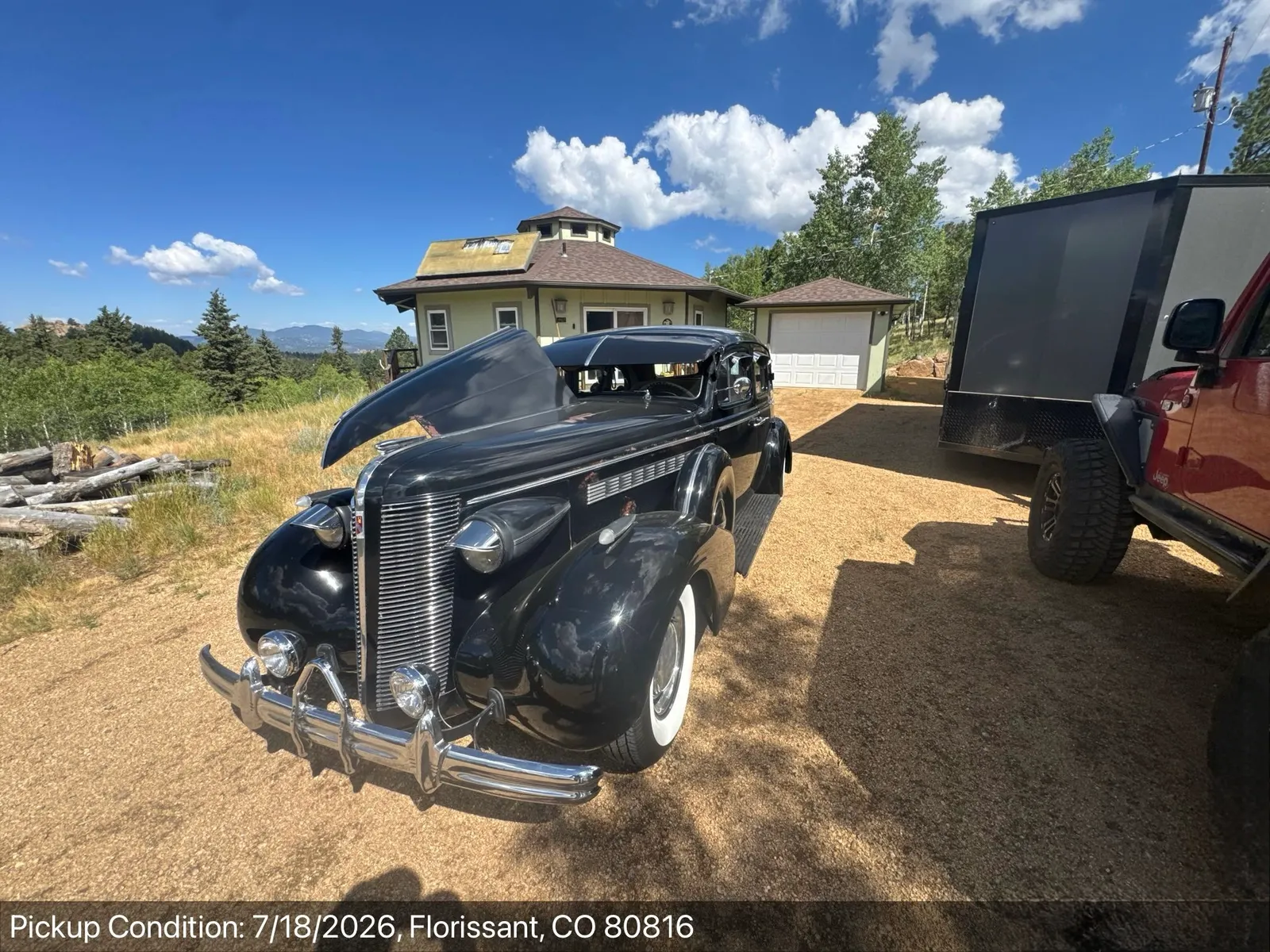
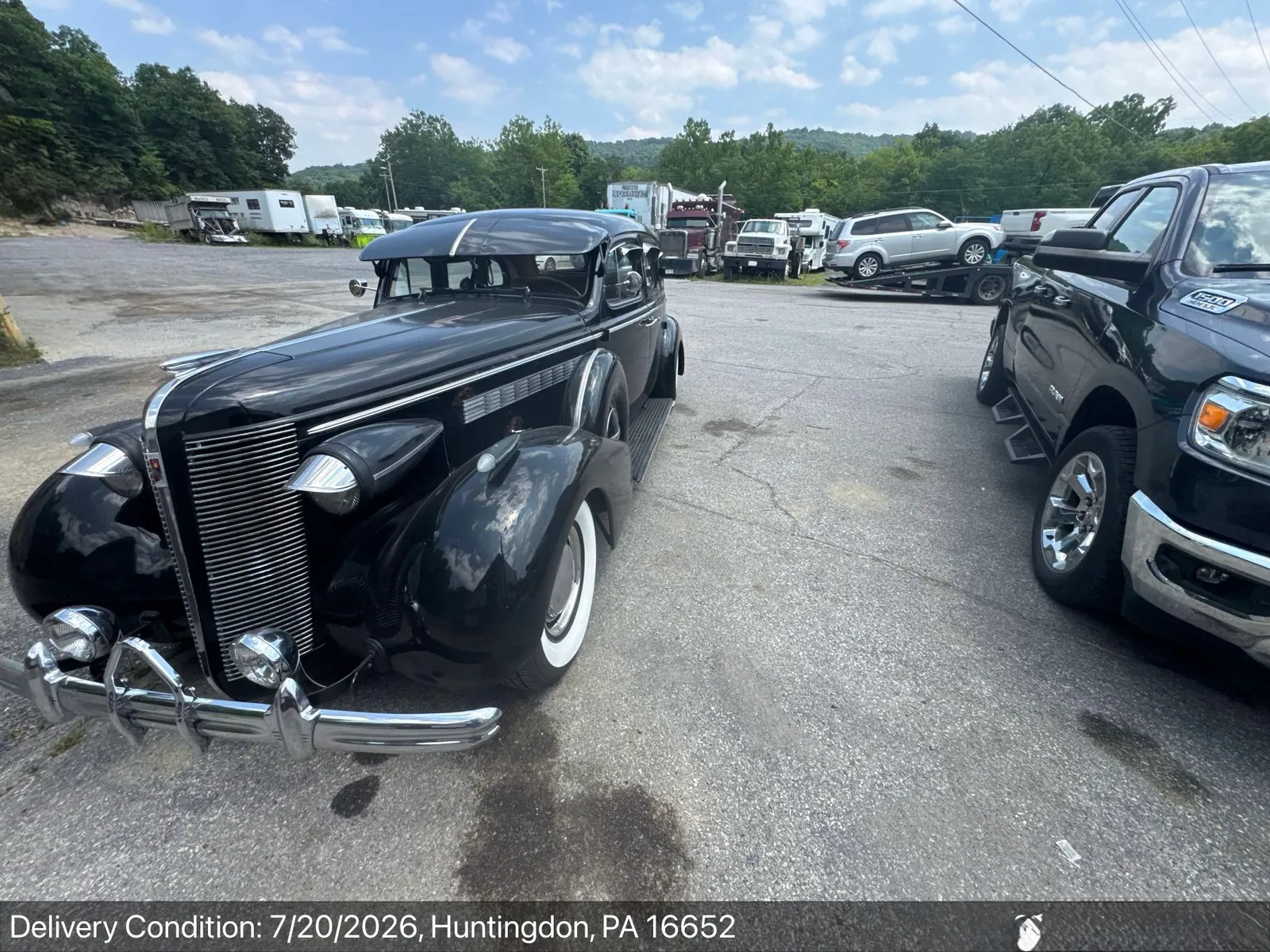
We moved that black 1930s Buick sedan enclosed, Florissant, Colorado to Huntingdon, Pennsylvania — a roughly 1,600-mile run, picked up July 18 and delivered July 20. For a glossy, sorted sedan like that, enclosed was the right call and the owner never second-guessed it.
If you want the full side-by-side on transport types beyond classics, we cover it in open vs enclosed auto transport, and you can read more about our enclosed car transport and open car transport services.
Shipping an inoperable classic: what to know
Plenty of classics don't run, or don't run reliably — a barn find, a project halfway through, a car that starts but you'd rather not drive up a steel ramp. That's completely normal, and it's shippable. The key is being precise about how inoperable it is, because that decides the equipment and the price.
Carriers care about four abilities, in order:
- Does it roll? Free-rolling wheels are the single most important thing. A car that rolls can be winched onto a trailer even with a dead engine.
- Does it steer? Being able to guide it straight on the ramp matters as much as rolling.
- Does it brake? Many pre-war classics have mechanical or cable brakes that are weak by modern standards — tell the carrier, because they'll chock and control it differently.
- Does it run and drive under its own power? If yes, loading is easy. If no, it needs a winch, and a fully seized car (won't roll or steer) needs specialized equipment and a bigger surcharge.
The mistake that causes delays and re-quotes is describing a non-running car as "runs and drives" to save a little money. When the carrier arrives to a car that won't roll, the load fails or the price jumps on the spot. Tell your dispatcher the real condition up front and we match a carrier with a winch or liftgate before the truck rolls. For our general prep steps, see how to prepare your car for shipping.
How a classic should actually be handled
A 90-year-old car is not tied down like a 2026 crossover. The techniques that protect a modern car can bend a running board, crack a wood body frame, or flat-spot an original tire. Here's what careful handling looks like, and what you should confirm your carrier will do.
- Soft straps over the tires, not chains on the axles. Proper classic handling uses wheel nets or soft axle straps that pull down over the tires, so no force is applied to fragile suspension, bumpers, or a wood-framed body. Never let a driver hook a chain to a 1930s bumper or leaf spring.
- Know your ground clearance and approach angle. Low or long classics can high-center on a standard ramp. Enclosed carriers with liftgates solve this; on open transport, the loading spot has to be chosen for a gentle ramp angle.
- Mechanical brakes and manual chokes. Tell the carrier how the car actually starts, stops, and shifts. A three-pedal Model A or a cable-brake pre-war car is loaded by someone who's briefed, not by someone guessing.
- Fluids and fuel. Ship with a low tank — a quarter or less — and mention any known drips so the carrier can place the car and lay down protection. A weeping classic isn't a dealbreaker; a surprise one is.
- Battery, top, and loose trim. Confirm a charged battery if the car needs to move under its own power, secure or lower a soft top, and remove loose period accessories that could rattle off in transit.
- Document condition at both ends. Detailed pickup and delivery photos on the Bill of Lading are your protection. On a classic, photograph the paint, chrome, glass, interior, and any existing patina or flaws so "as-shipped" is beyond dispute.
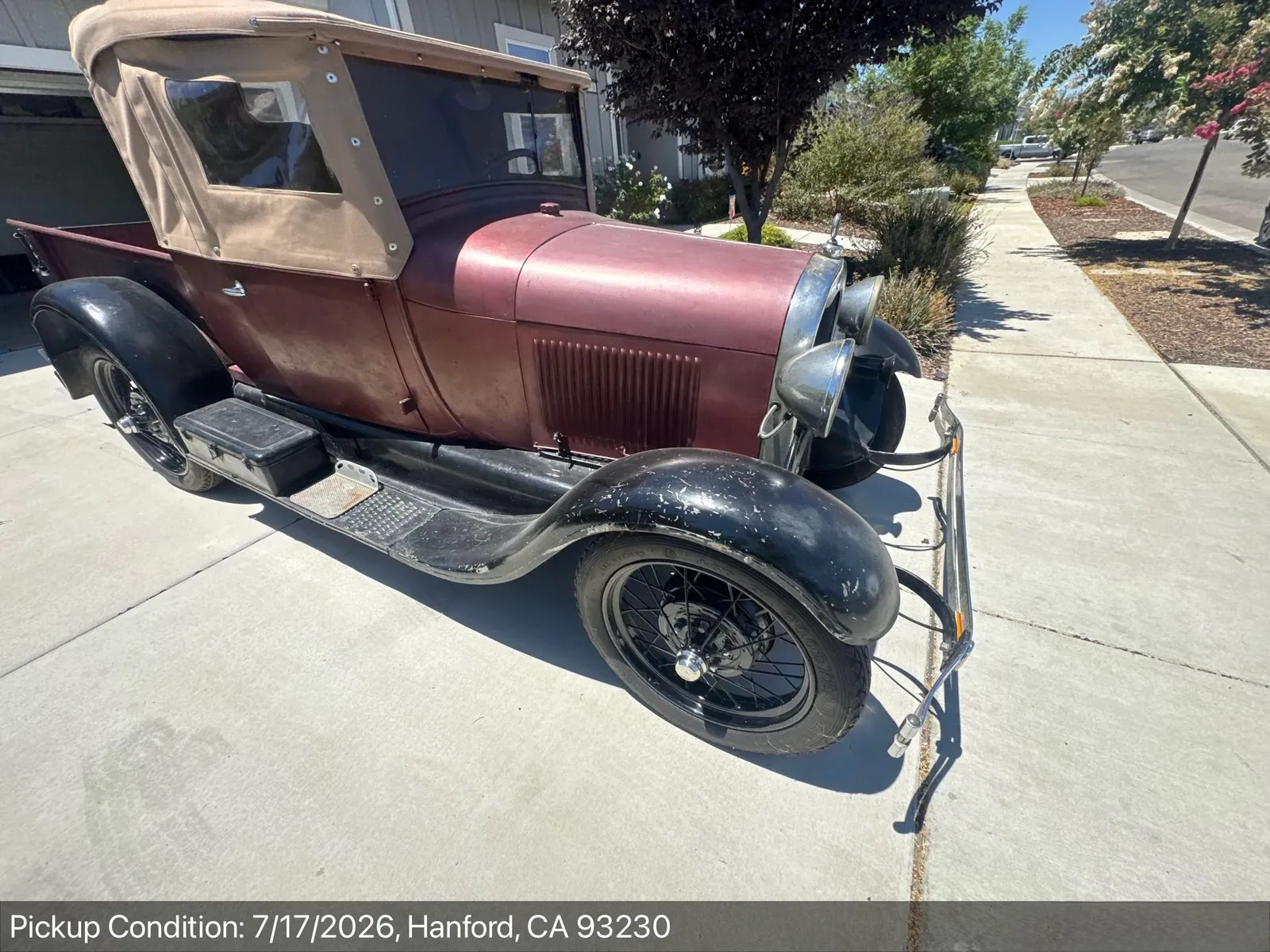
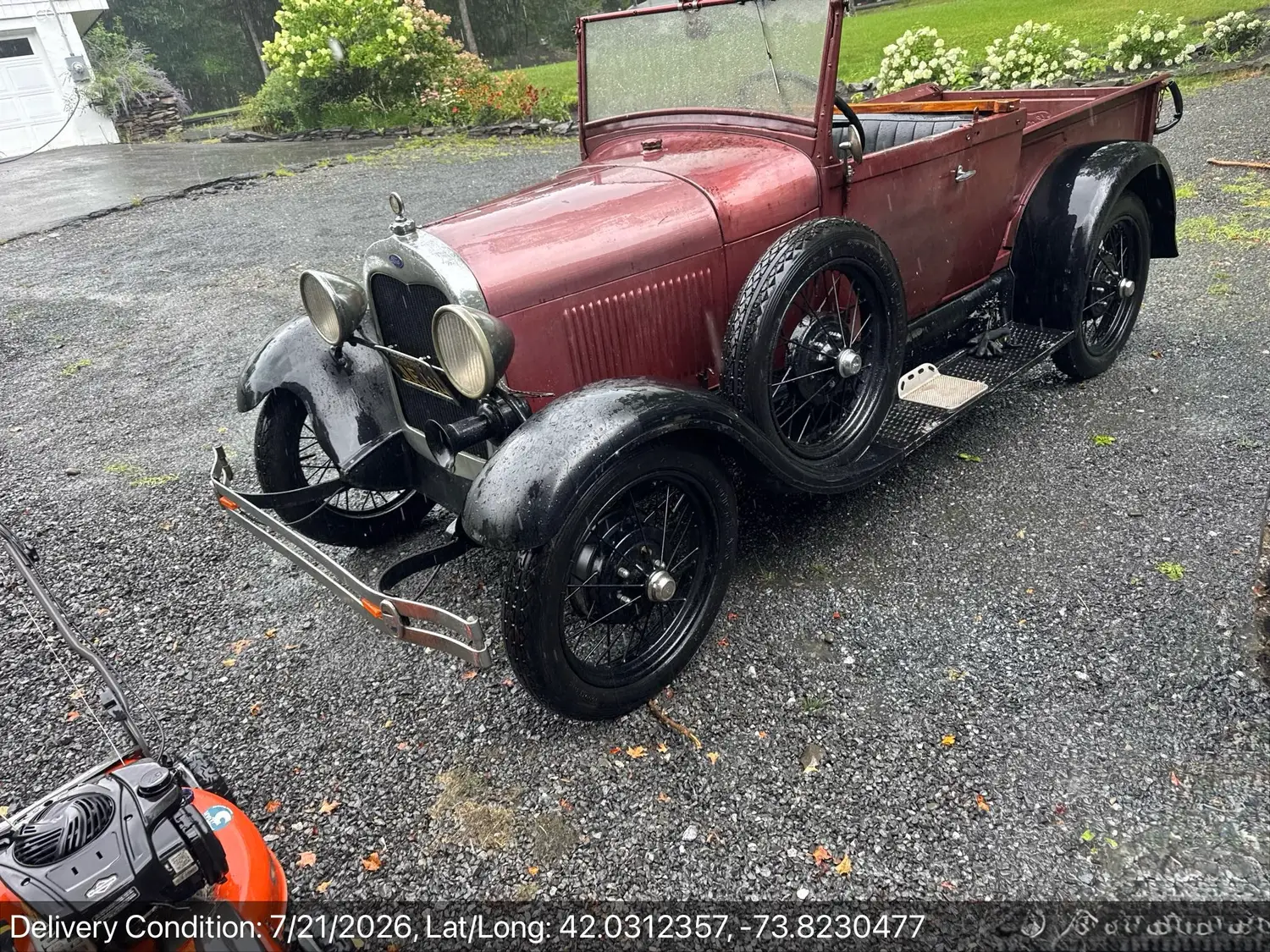
That maroon Ford Model A roadster pickup above is the perfect teaching case: an open-bodied, original survivor that traveled all the way from Hanford, California to upstate New York — picked up July 17, delivered July 21. Cars like it are why the tie-down method and the open-vs-enclosed conversation matter. It arrived exactly as it left, but a car with fresh paint instead of honest patina would have been a clear candidate for the enclosed trailer.
Real classic shipments: from a British roadster to an air-cooled Beetle
"Classic" covers everything from a six-figure concours car to a weekend driver, and the right plan changes with the vehicle. Here are three more we handled recently — a vintage British sports car, an air-cooled economy classic, and an '80s Chevy — each a different classic-car transport problem.
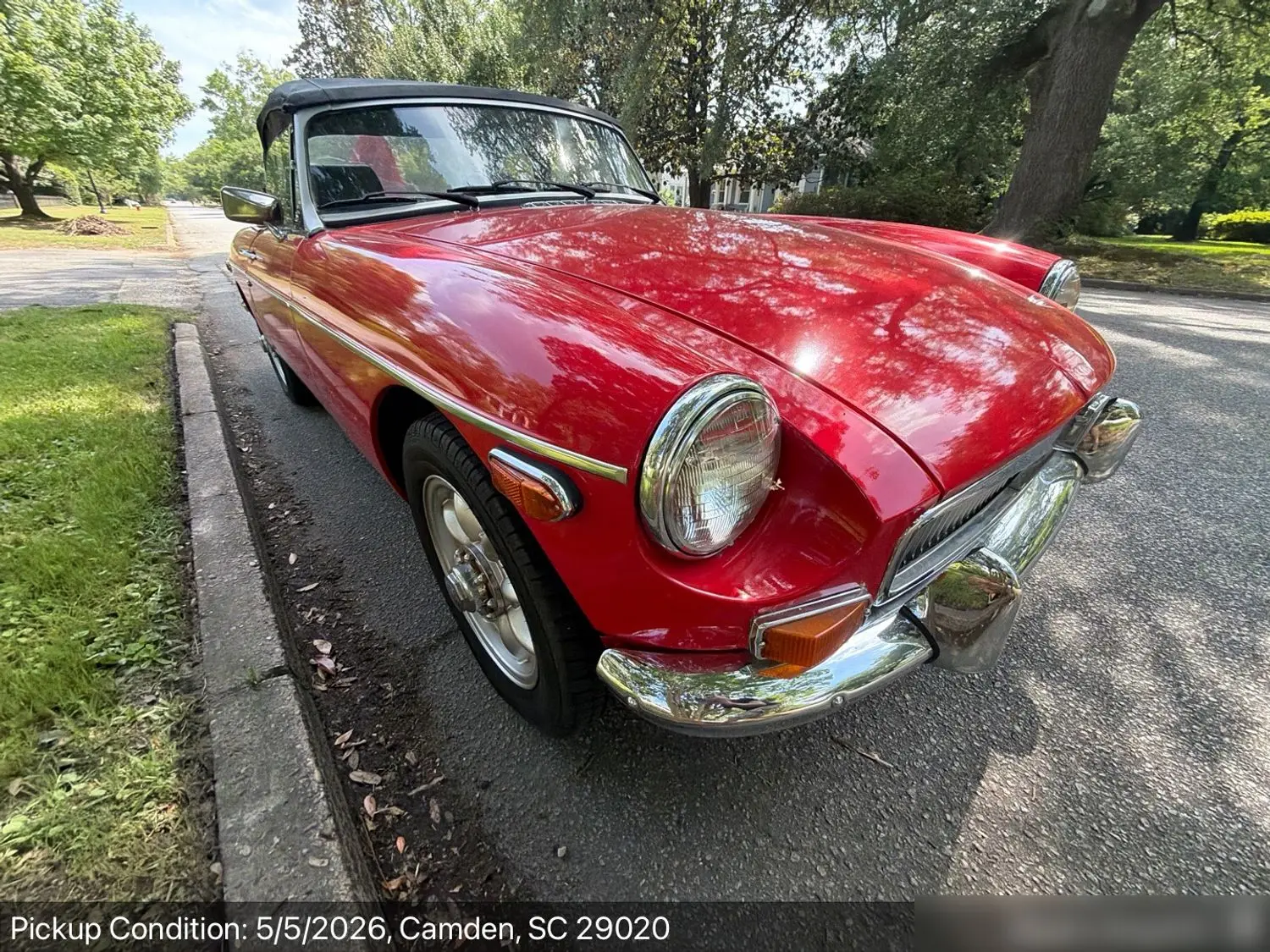
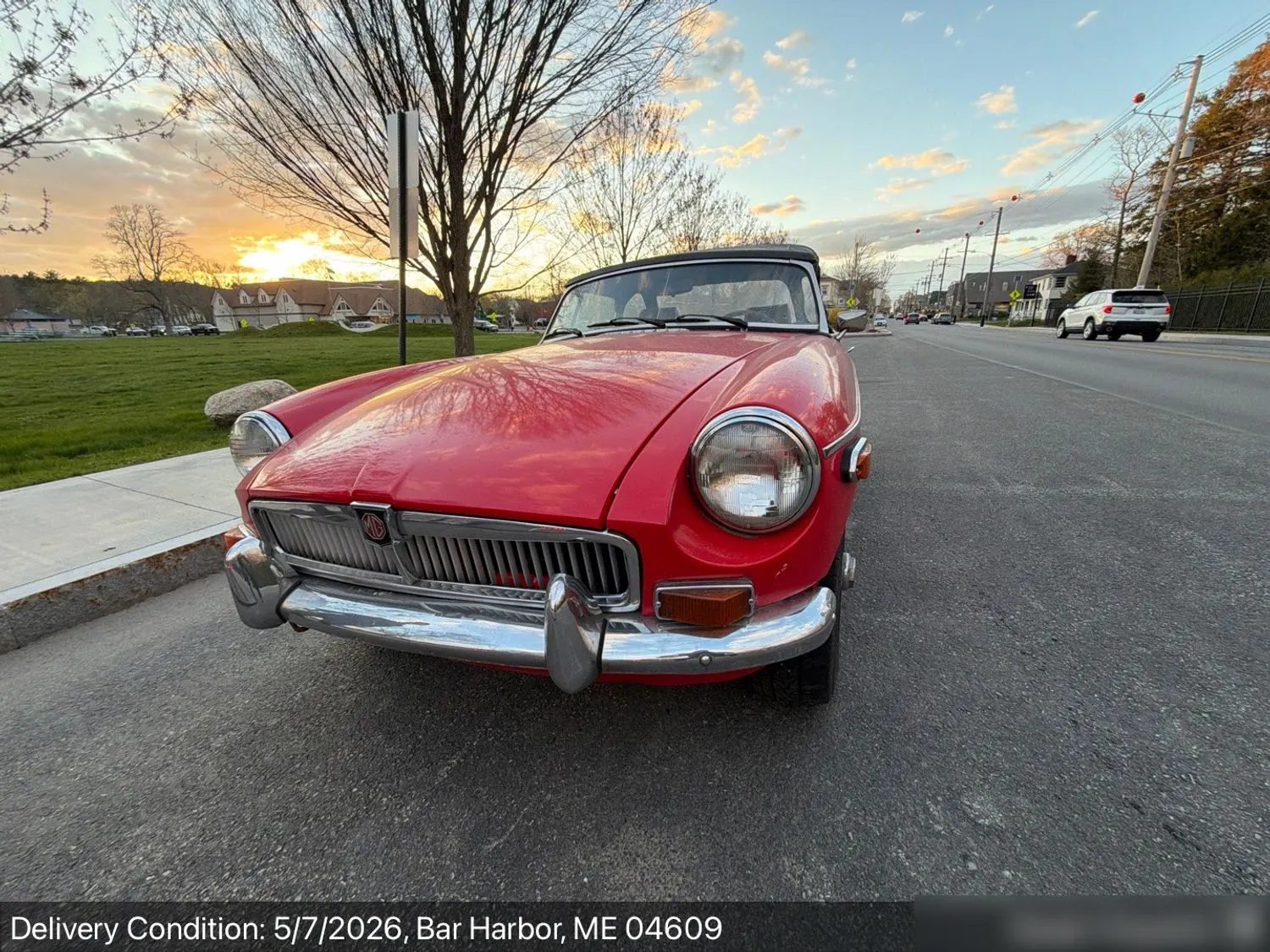
The vintage British roadster (Camden, SC to Bar Harbor, ME). This red MGB is exactly the profile that rewards careful classic car transport: low, light, open-topped, and desirable. We ran it up the I-95 corridor from South Carolina to coastal Maine, delivered at sunset two days later. A car like this needs wheel-strap tie-downs and a driver who won't drag the chin on a steep ramp — nothing exotic, just experience with vintage vehicles.
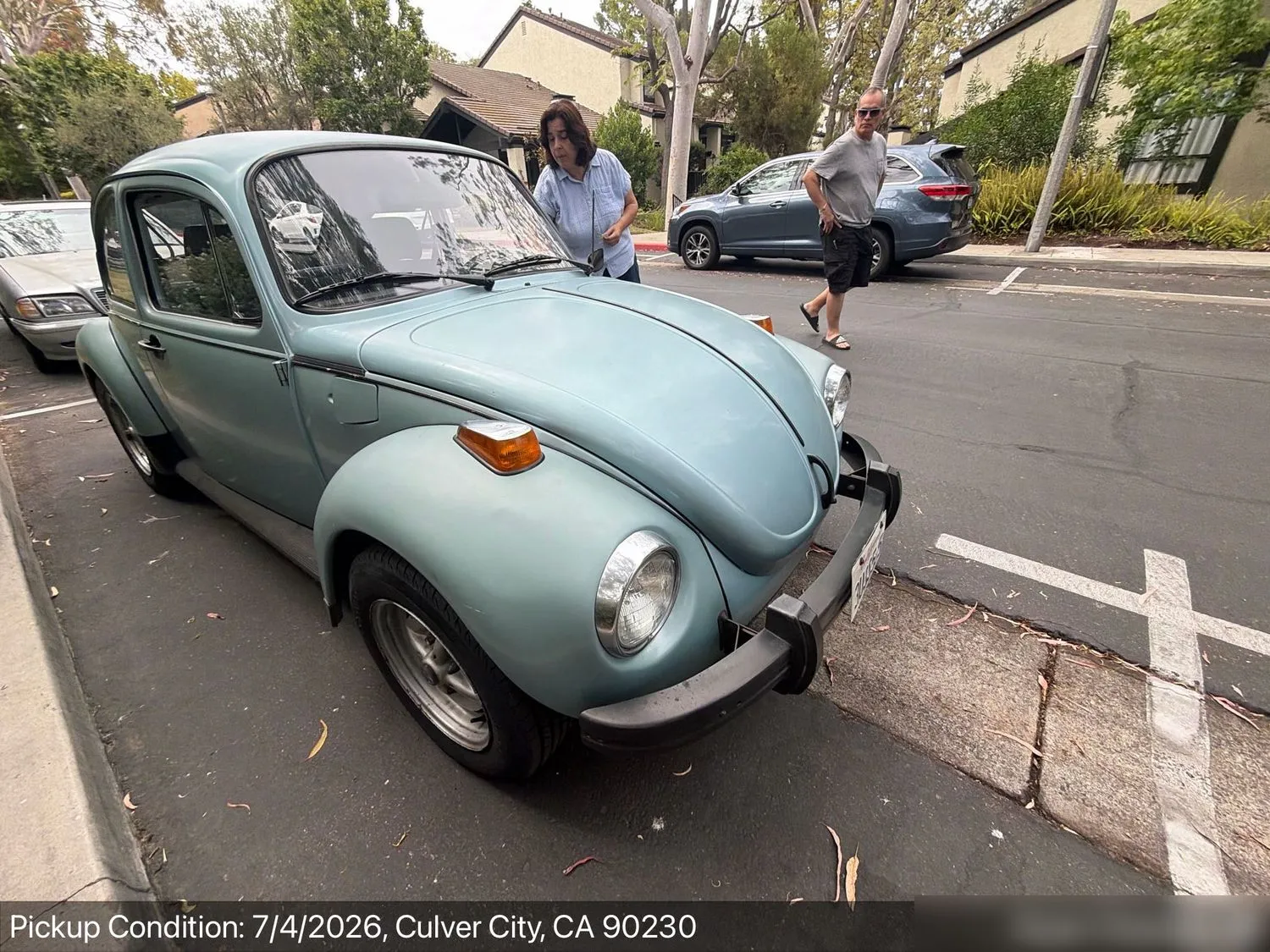
The air-cooled Beetle (Culver City, CA). Proof that classic car shipping isn't only for six-figure cars. This original-paint Beetle is a driver, not a show car, so open transport was the sensible, affordable choice — the same method we'd use for any daily driver, with a carrier briefed that it's a vintage air-cooled car and loaded gently. Antique and vintage vehicles like this ship every day without the enclosed premium.
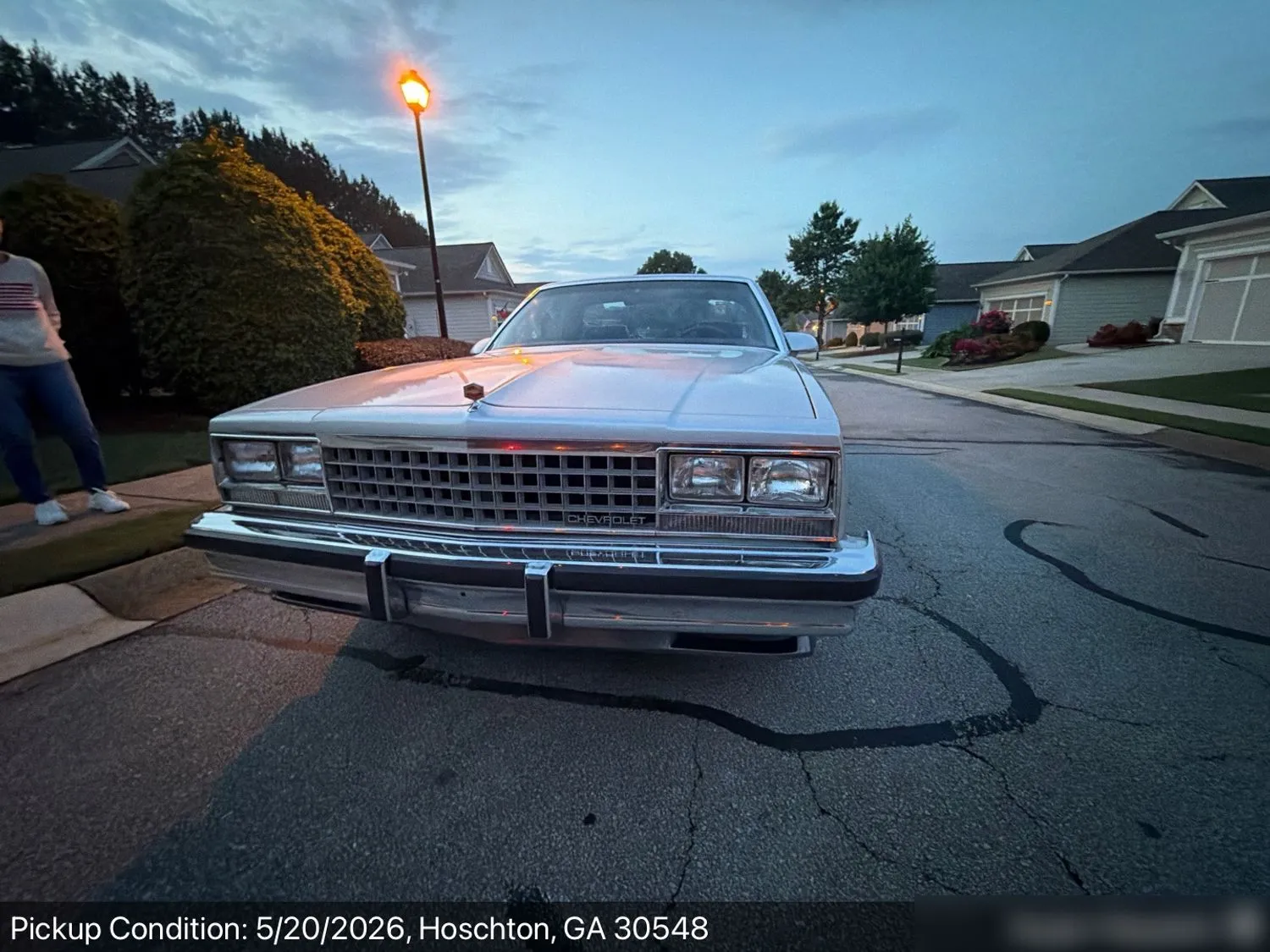
The El Camino (Hoschton, GA to New York, NY). A tidy '80s Chevy that ran fine and drove on and off under its own power — the easy end of the spectrum. It rode an open carrier from Georgia to New York and arrived clean. Running, driver-condition classics are the simplest and cheapest to move; the price climbs only when a car is rare, inoperable, or needs the enclosed trailer.
Across all of these — a 1930s Buick, a Ford Model A, an MGB, a Beetle, an El Camino — the pattern holds: the vehicle decides the plan. We handle classic, vintage, antique, collector, and exotic car transport the same honest way, matching each to the right carrier and method.
The bottom line
Shipping a classic well comes down to three honest conversations: pick the transport type the car needs (not the upsell), describe its running condition precisely so the right equipment shows up, and confirm the carrier will handle a vintage vehicle like one. Get those right and a 1930s sedan crosses the country with its chrome untouched.
We ship classics both ways, all over the country. Tell us the year, the condition, and where it's going, and we'll price it honestly and match a carrier who knows what they're hauling. Start with an instant estimate on our cost calculator, learn more about luxury and classic car transport, or call a dispatcher at (513) 570-0252.
Frequently asked questions
- How much does it cost to ship a classic car?
- Classic car shipping typically costs $600 to $1,000 for a mid-range regional move (500 to 1,000 miles) on an open carrier, and $1,000 to $1,600 coast to coast. Enclosed transport, which most collector and show cars use, runs 40 to 60 percent more. A non-running classic adds roughly $150 to $500 for winch or liftgate loading. The biggest cost drivers are distance, open vs. enclosed, the car's value, and how accessible the pickup and delivery are.
- What is the cost to ship a classic car per mile?
- Like all auto transport, classic car transport costs less per mile the farther it goes. Expect roughly $1.50 to $2.00 per mile under 500 miles, about $0.90 to $1.30 per mile for 500 to 1,000 miles, and $0.45 to $0.65 per mile on a 2,000-plus-mile cross-country run. Enclosed transport for a collector car adds a premium on top of these open-carrier rates.
- What is a classic car hauler?
- A classic car hauler is a carrier and trailer set up to move vintage and collector vehicles safely. In practice that means soft wheel-strap or over-the-tire tie-downs instead of axle chains, a gentle ramp angle or a liftgate for low ground clearance, and often an enclosed trailer for weather and stone-chip protection. Every major auto shipping company, including us, arranges these carriers from the same national network rather than owning the trucks.
- What is the best way to ship a vintage or antique car?
- The best way to ship a vintage or antique car depends on its value and condition. Show-quality, freshly restored, or high-value vehicles should go enclosed for weather and debris protection; solid driver-condition classics ship perfectly well on an open carrier at a lower price. In every case, use a carrier experienced with vintage vehicles, use soft tie-downs, disclose whether the car runs and drives, and document its condition with photos at pickup and delivery.
- Do you transport exotic and collector cars too?
- Yes. We arrange classic, vintage, antique, collector, muscle, and exotic car transport nationwide, open or enclosed. Exotic and high-value collector cars almost always ship enclosed with higher declared-value coverage and specialized carriers, while everyday classics and drivers can go open. Tell us the vehicle and route and we match the right carrier and coverage.
- Can you ship a non-running classic car?
- Yes. A non-running classic is shippable as long as we know exactly how inoperable it is. Carriers care whether the car rolls, steers, and brakes: a free-rolling car can be winched onto a trailer even with a dead engine, while a fully seized car that won't roll needs specialized equipment and a larger surcharge. Describe the real condition up front so the right carrier with a winch or liftgate is dispatched the first time.